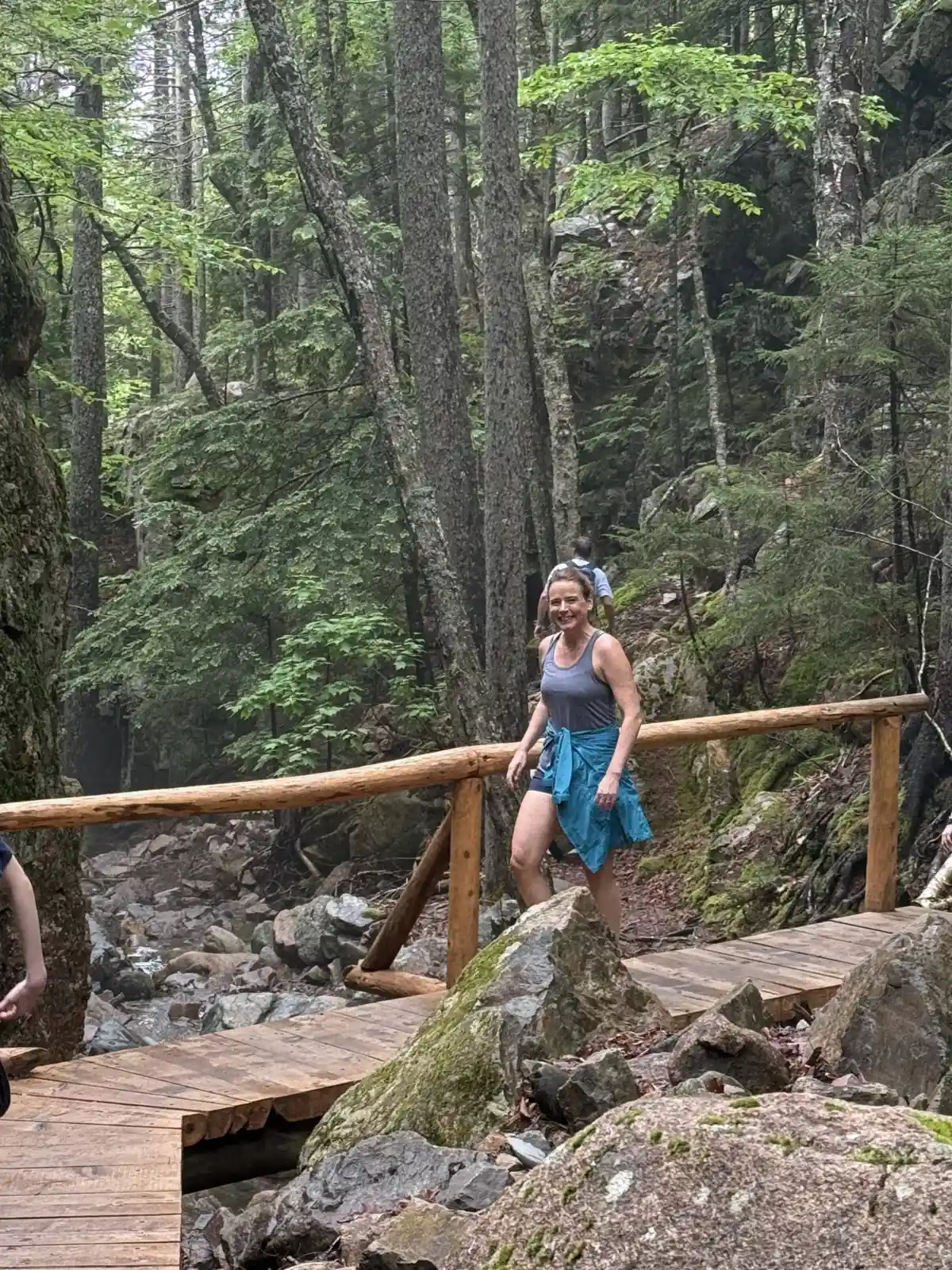
Imagine a gym without walls, a therapy session without a couch, and an adventure right outside your door. This is the power of hiking. It is more than just a pleasant walk in the woods. Hiking is a potent activity that builds total fitness. It creates a strong body and a tough mind. This journey on trails does what machines in a gym often cannot. It demonstrates how hiking simultaneously builds strength, endurance, and mental resilience. Every step you take on a path is a step toward becoming a more capable and confident person. This article will explore the notable physical and mental changes that happen when you make hiking a regular part of your life.
The Physical Foundation: Building Strength from the Ground Up
When people think of building strength, they often picture lifting heavy weights. Hiking, however, is like a full-body workout in disguise. It uses your body weight and the challenge of the terrain to build muscle. The constant motion of walking, mainly uphill, is a powerful builder of strength.
Your legs are the primary engines during a hike. With every step, you are working your quadriceps, hamstrings, glutes, and calves. Going up a steep incline is like doing dozens of lunges. Your leg muscles have to push your entire body weight against gravity. Going downhill seems more manageable, but it works your muscles differently. It forces them to control their descent, building stability. Over time, you will notice your legs becoming more powerful and defined. You will find it easier to climb stairs and walk long distances.
But the benefits of hiking for strength are not just in your legs. Your core muscles are constantly engaged—your abdominals and lower back work hard to keep you stable and upright on uneven ground. When you scramble over a rock or navigate a tricky root, you are using your core. This is far more functional than doing crunches on the floor. It builds a core that helps you in everyday life, preventing back pain and improving your posture. Even your upper body gets involved. Swinging your arms helps with balance and momentum. If you use trekking poles, you add an upper-body workout. You engage your arms, shoulders, and back muscles with every pole plant.
Going the Distance: How Hiking Supercharges Your Endurance
Endurance is your body’s ability to keep going without getting tired. It is the fuel tank for your daily life. Hiking is one of the best ways to build this endurance. A long hike is a sustained effort for your heart and lungs. This type of activity is known as cardiovascular exercise. It makes your heart muscle stronger. A stronger heart pumps blood more efficiently throughout your body. This means more oxygen reaches your muscles. Over time, your resting heart rate may go down. This is a sign of a very efficient heart.
As you hike more frequently, your body undergoes remarkable adaptations. Your lungs become more efficient at using oxygen. Your muscles create more tiny blood vessels. This network delivers oxygen and fuel to your muscles more effectively. These changes mean you can walk farther and tackle steeper hills without getting out of breath. The endurance you build on the trail translates directly to other activities. You will have more energy for playing with your kids, doing yard work, or enjoying other sports. This is a crucial aspect of how hiking develops strength, endurance, and mental resilience. A body that does not tire easily allows your mind to stay focused and intense.
The Mental Climb: Forging Resilience on the Trail
The most significant rewards of hiking are often not physical. They are mental. Hiking is a powerful tool for building mental resilience. Resilience is the ability to recover from difficulties and manage stress effectively. The trail is a perfect teacher for this. It presents challenges that you must overcome using your own initiative and mental acumen.
Every hiker faces moments of struggle. It might be a long, steep hill that seems never-ending. It could be an unexpected change in the weather. In these moments, you have a choice. You can give up, or you can put one foot in front of the other and keep going. When you choose to continue, you are training your brain. You are teaching yourself that you can handle discomfort and push through obstacles. This lesson is incredibly valuable. It stays with you long after you finish your hike. When you face a challenging problem at work or in your personal life, you can remember that hill you conquered. You will think, “I handled that challenge so that I can handle this one too.”
Furthermore, hiking pulls you away from the noise of modern life. It is a break from screens, notifications, and constant demands. This quiet time in nature is a form of meditation. The simple rhythm of walking can calm a busy mind. Studies have shown that spending time in green spaces can lower stress hormones, reduce anxiety, and improve one’s mood. This mental reset builds resilience. It gives you a quiet space to process your thoughts. It helps you return to your daily life feeling refreshed and better equipped to handle stress. The process of how hiking builds strength, endurance, and mental resilience is deeply connected to this sense of peace.
Your Path Forward: Making Hiking a Habit
You don’t need to be an expert to start reaping these benefits. The path to a stronger body and mind begins with a single step. Start with easy, short trails that match your current fitness level. A flat, one-mile loop in a local park is a perfect beginning. As you get stronger, you can slowly increase the distance and look for trails with more hills.
The right gear can make your experience more comfortable and safe. The most essential item is a good pair of shoes. Select hiking shoes or boots that provide support for your ankles and feature sturdy soles. Remember to bring water to stay hydrated and a snack to boost your energy. Telling someone where you are going and when you expect to return is always an innovative safety practice.
The true power of hiking is its consistency. A single hike will make you feel good. But making it a regular habit is what truly changes you. Hiking builds strength, endurance, and mental resilience over the long term. Aim to go for a hike once a week or a few times a month. Watch as your body becomes stronger, your endurance grows, and your mind becomes tougher. The trail is always there, waiting to help you discover a stronger version of yourself. All you have to do is take the first step.